


Our eyes play an essential role in how we learn, work, communicate and experience the world around us. As screen use increases, populations age and awareness of eye health grows, the need for trained eye-care professionals continues to expand.
A Bachelor of Optometry (B.Optom) is an undergraduate healthcare programme designed to prepare students for careers in vision care and optometric practice. The course combines scientific learning with clinical education and practical training, helping students develop the knowledge and skills required to assess vision, identify common eye and visual conditions, provide appropriate vision correction and support patients with their eye-care needs.
For students who are interested in healthcare but want to specialise in vision and eye care, optometry offers a combination of science, technology, clinical practice and patient interaction.
This guide explores what a Bachelor of Optometry involves, what students learn, the career opportunities available after graduation, the skills required to succeed and how the profession is evolving.
What Is a Bachelor of Optometry?
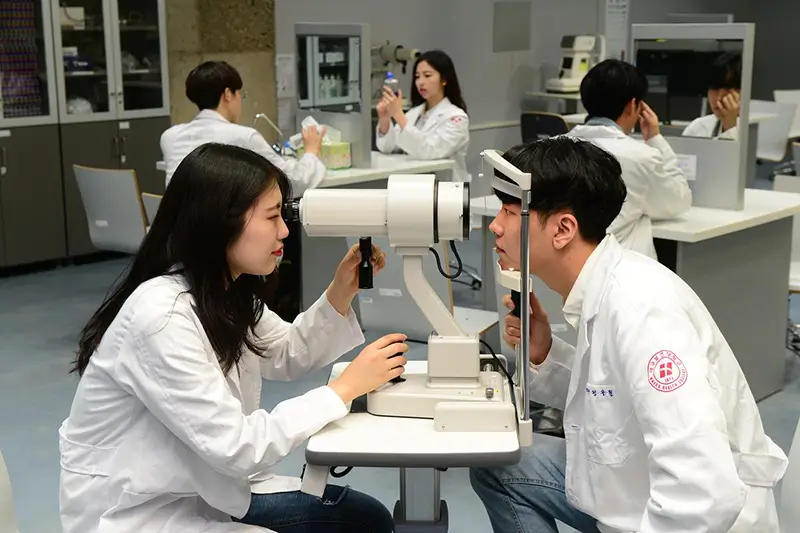
A Bachelor of Optometry is an undergraduate programme focused on the science and clinical practice of vision and eye care.
Students are introduced to subjects such as:
- Human anatomy and physiology
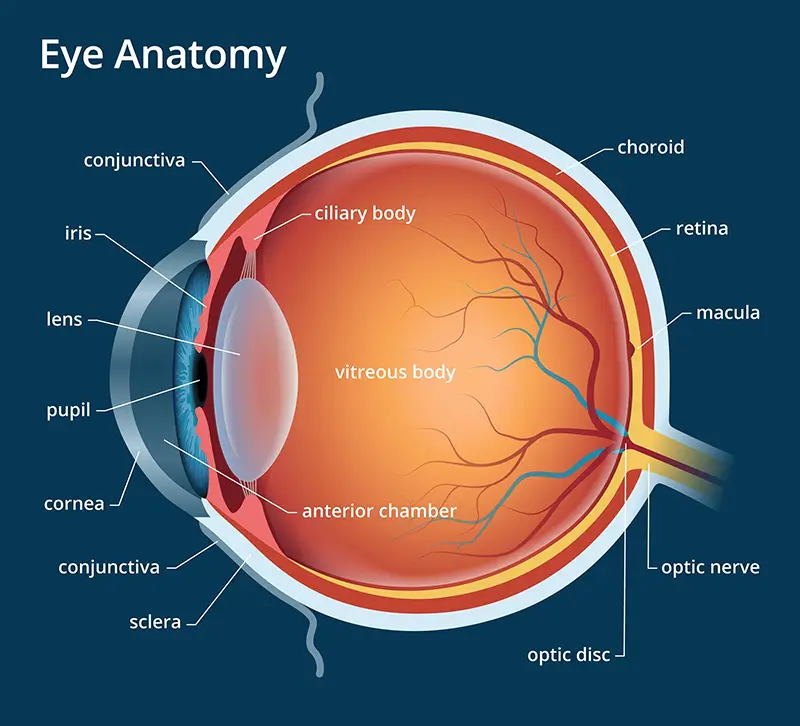
- Ocular anatomy and physiology
- Geometrical and physical optics
- Visual optics
- Ocular diseases
- Binocular vision
- Contact lenses
- Pediatric optometry
- Low-vision care
- Clinical optometry
- Diagnostic procedures
- Public health and community eye care
- Professional practice and patient communication
The programme generally combines classroom-based learning with laboratory work, clinical training, internships and supervised practical experience.
This combination is important because optometry is not only about understanding how the eye works. Students also need to develop the ability to communicate with patients, perform appropriate assessments, interpret clinical findings and recommend suitable vision-care solutions within their professional scope.
In India, optometry is recognised within the Ophthalmic Sciences Professional category under the National Commission for Allied and Healthcare Professions (NCAHP) framework. The framework includes optometrists alongside other ophthalmic science professionals.
Why Is Optometry an Important Healthcare Profession?
The demand for eye-care services is closely connected to demographic changes, lifestyle, access to healthcare and the increasing prevalence of vision problems.
According to the World Health Organization (WHO), at least 2.2 billion people worldwide have near or distance vision impairment, and in at least 1 billion cases, the impairment could have been prevented or has yet to be addressed. Uncorrected refractive errors and cataracts remain among the leading causes of vision impairment.
The need for eye care is therefore not limited to hospitals or specialist eye centres. Optometrists can contribute across primary eye care, optical services, community programmes, vision screening, contact lens practice, low-vision care, research and education.
This makes optometry an increasingly relevant healthcare career for students who want to work directly with people while developing specialised clinical expertise.
Why Choose a Bachelor of Optometry?
There are several reasons why students consider optometry as a career.
1. A Specialised Healthcare Career
Optometry provides an opportunity to build a career within healthcare while specialising in vision and eye care.
Students develop knowledge that can be applied across clinical, optical, community and professional environments.
2. Practical and Clinical Learning
Optometry is a hands-on profession. Alongside theoretical education, students need opportunities to work with clinical instruments, interact with patients and apply their knowledge in practical settings.
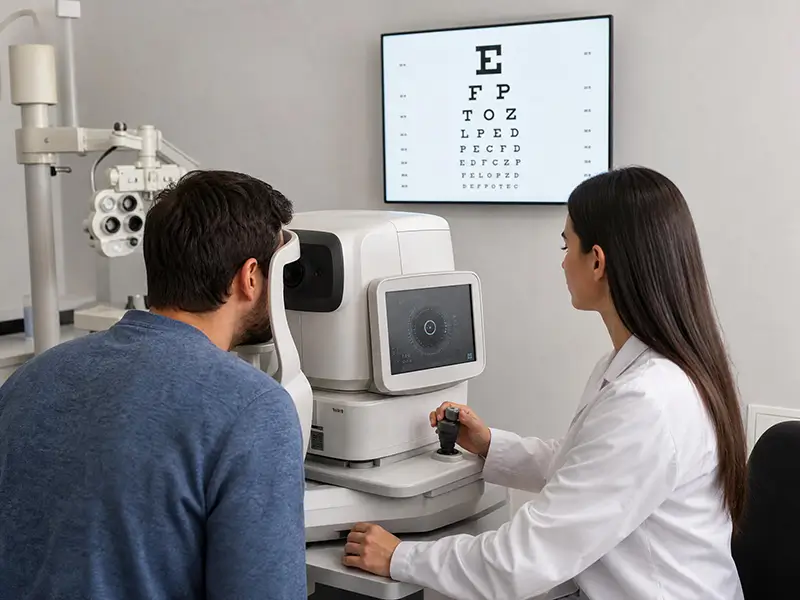
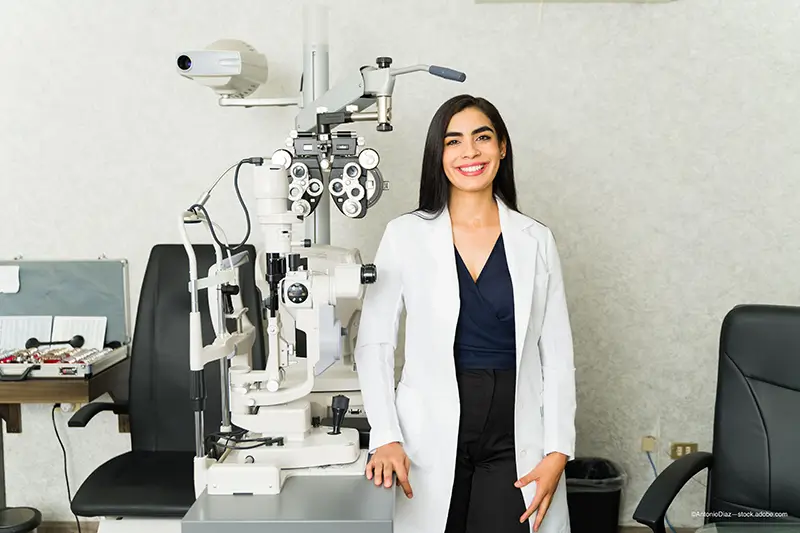
Exposure to equipment such as autorefractors, retinoscopes, slit lamps and other vision-assessment tools can help students develop confidence in clinical environments.
3. Multiple Career Directions
A B.Optom does not restrict graduates to a single type of workplace.
Depending on their qualifications, experience and professional interests, graduates can explore opportunities in:
- Hospitals and eye-care centres
- Optometry clinics
- Optical retail
- Contact lens practice
- Pediatric vision care
- Low-vision services
- Community eye-care programmes
- Research
- Academia
- Corporate eye-care organisations
- Vision technology and digital healthcare
- Entrepreneurship
4. Scope for Further Specialisation
After completing an undergraduate degree, graduates can consider postgraduate education and specialised training in areas such as clinical optometry, contact lenses, pediatric optometry, binocular vision, low vision, ocular disease or other related areas.
Higher education can also open pathways into teaching, research, management and specialised clinical roles.
5. Opportunities Beyond India
Optometry is a global profession, but international practice requires more than simply holding an Indian degree.
Countries have different educational equivalency, registration, licensing and examination requirements. Students interested in international careers should therefore research the professional regulator and qualification-recognition process of their intended destination before planning their move.
Career Opportunities After a Bachelor of Optometry
One of the advantages of studying optometry is the range of career environments available to graduates.
Clinical Optometrist
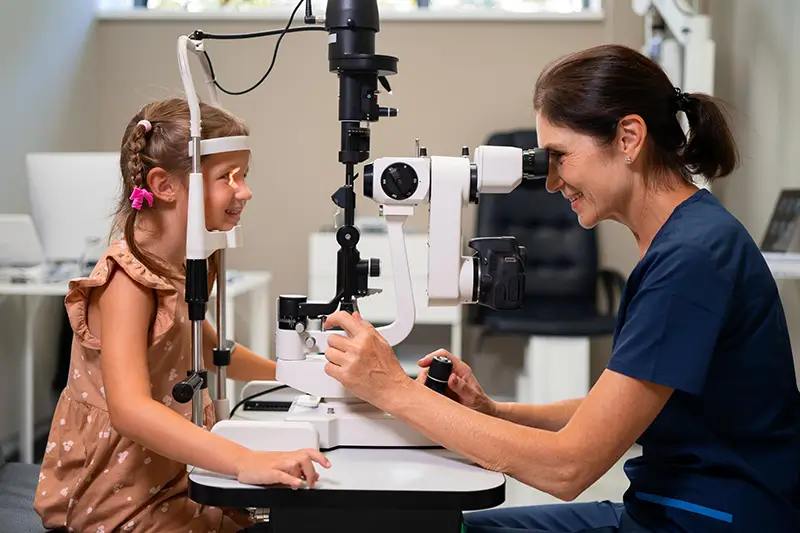
Clinical optometrists may conduct comprehensive vision assessments, evaluate refractive errors, provide vision correction and identify signs that may require referral or further investigation.
They may work in hospitals, clinics, eye-care centres or independent practices, depending on local regulations and professional scope.
Contact Lens Practitioner
Contact lens care is another area in which optometrists can develop expertise.
Professionals may work with conventional lenses as well as more specialised contact lens applications, depending on their education, training and scope of practice.
Pediatric Optometry
Children have specific visual and developmental needs. Optometrists working in pediatric care may be involved in assessing children’s vision and supporting the identification and management of problems that can affect visual development.
This can include areas such as refractive errors, binocular vision and amblyopia-related care.
Low-Vision Care
Not every visual condition can be completely corrected with conventional spectacles or contact lenses.
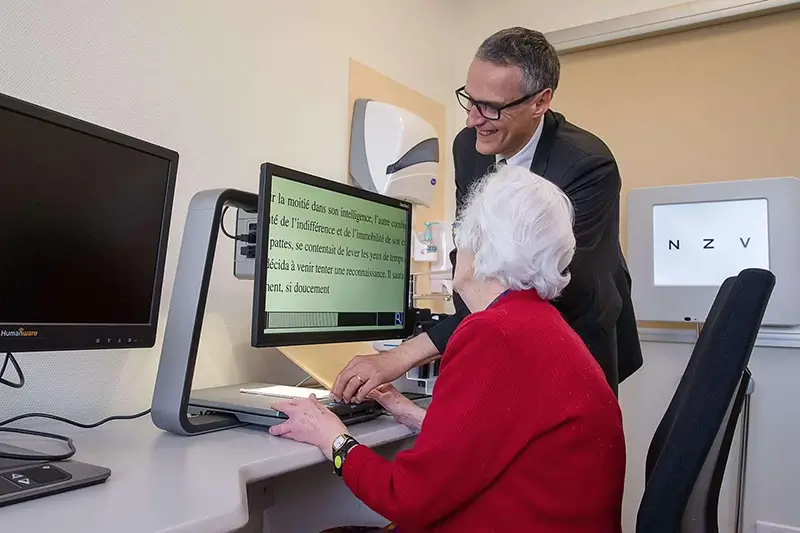
Low-vision professionals help individuals with significant vision loss make the best possible use of their remaining vision. This may involve appropriate optical or non-optical aids, visual strategies and rehabilitation support.
Optical Industry and Retail
Optometry graduates can also explore opportunities within optical businesses and eyewear companies.
Potential roles may include:
- Optometrist
- Optical consultant
- Clinical trainer
- Store or practice manager
- Regional clinical coordinator
- Product specialist
- Professional services roles
Community Eye Care
Community-based eye care is another important area of optometry.
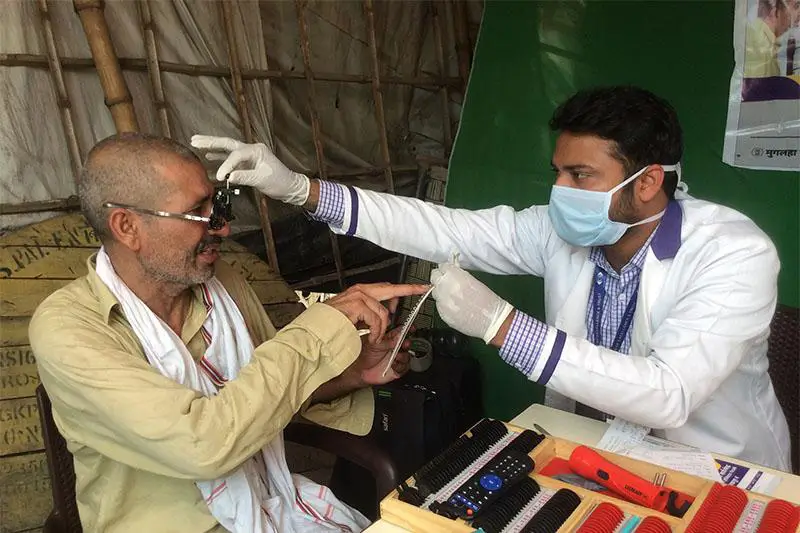
Professionals may participate in screening programmes, school eye-health initiatives, awareness campaigns and other community projects designed to identify vision problems and improve access to eye care.
Research and Academia
Students who develop an interest in scientific research can pursue postgraduate education and explore careers in research institutions, universities, clinical research and the development of new approaches to vision care.
Academic careers may involve teaching, research, curriculum development and professional training.
Entrepreneurship
Optometry can also provide opportunities for entrepreneurship.
Depending on applicable regulations and professional requirements, graduates may eventually establish or participate in optical practices, vision-care centres, eyewear businesses, community eye-care services or technology-enabled healthcare ventures.
What Skills Does an Optometry Graduate Develop?
A strong optometry programme should develop more than academic knowledge.
Clinical Skills
Students learn how to conduct appropriate vision assessments, interpret findings and apply clinical knowledge under supervision.
Technical Skills
Optometrists work with a range of diagnostic and vision-care equipment. Understanding how to use these technologies accurately is an important part of clinical training.
Communication Skills
Eye care involves regular interaction with patients of different ages and backgrounds. Clear communication and active listening are therefore essential.
Patient-Centered Care
A good optometrist needs to understand not only the clinical findings but also the patient’s lifestyle, concerns and visual requirements.
Analytical and Problem-Solving Skills
Optometry requires professionals to assess information, recognise patterns and determine appropriate next steps or referrals.
Professional and Business Skills
For graduates interested in management, optical retail or entrepreneurship, knowledge of leadership, customer service, business operations and team management can also be valuable.
What Does the Future of Optometry Look Like?
The profession is changing alongside healthcare technology.
Digital diagnostic systems, artificial intelligence, tele-optometry, advanced imaging and data-driven clinical tools are becoming increasingly relevant to modern eye care.
Technology is unlikely to replace the need for qualified eye-care professionals. Instead, it is changing how professionals screen, assess, document and manage visual health.
The global need for eye care also remains significant. WHO continues to identify unaddressed vision impairment as a major global health challenge, with population ageing and lifestyle changes expected to influence future demand for eye-care services.
For students entering the profession, this means that adaptability and continuous learning will be just as important as the knowledge gained during an undergraduate degree.
Optometry and International Career Opportunities
An optometry qualification can provide a foundation for exploring international career opportunities, but graduates should understand that professional recognition varies from country to country.
For example, optometrists seeking to work in the United Kingdom need to follow the registration process established by the General Optical Council (GOC) for overseas-qualified professionals.
Similarly, international graduates interested in Canada may need to go through credential assessment and meet the requirements of the relevant provincial or territorial regulator.
The United States has its own professional pathway. The U.S. Bureau of Labor Statistics notes that optometrists typically require a Doctor of Optometry degree and state licensure to practice. Current U.S. employment projections show 10% growth in optometrist employment from 2025 to 2035, with approximately 2,000 openings projected annually on average.
Therefore, students who have international ambitions should consider:
- The recognition of their qualification
- Registration requirements
- Licensing examinations
- English-language requirements, where applicable
- Clinical experience
- Additional education or bridging requirements
- Immigration and work-permit requirements
Planning these requirements early can make the international career journey more structured and realistic.
Optometry in India: A Profession Within Allied Healthcare
India’s healthcare system has increasingly formalised the role of allied and healthcare professionals.
The National Commission for Allied and Healthcare Professions Act, 2021 includes optometry within the Ophthalmic Sciences Professional category. The NCAHP framework is intended to establish standards relating to education and professional practice and to support the development of central and state registers.
The Ministry of Health and Family Welfare has also developed the Allied and Healthcare Professionals Enrolment Database. Importantly, the government currently clarifies that enrolment in this database is a data-collection process and is not itself professional registration; registration regulations are being developed through the NCAHP framework.
For students, this highlights the importance of choosing a recognised educational pathway and staying informed about professional and regulatory developments.
How to Choose the Right Bachelor of Optometry Programme
Choosing an optometry programme is an important decision, and students should look beyond the course title.
Before enrolling, consider:
Curriculum
Look for a curriculum that provides a strong foundation in basic sciences, optics, ocular health and clinical optometry.
Clinical Exposure
Practical training is essential. Find out whether students receive supervised clinical exposure and opportunities to interact with real patients.
Infrastructure
Check whether the institution provides access to appropriate optometry laboratories, diagnostic instruments and other learning resources.
Faculty
Experienced faculty and clinical professionals can make a significant difference to the learning experience.
Internship Opportunities
A structured internship or clinical placement can help students transition from academic learning to professional practice.
Industry Exposure
Interaction with hospitals, eye-care centres, optical companies and other industry professionals can help students understand the different career paths available after graduation.
Career and Placement Support
Students should also consider whether the institution provides career guidance, placement support, professional development and opportunities to connect with potential employers.
Why Practical Learning Matters in Optometry
Optometry is a profession where theoretical knowledge and practical competence need to work together.
A student may understand the principles behind refraction, binocular vision or ocular health in the classroom, but professional confidence develops through repeated supervised practice.
Clinical exposure can help students learn how to:
- Communicate with patients
- Conduct structured eye examinations
- Use clinical instruments
- Record patient findings
- Interpret assessment results
- Recommend appropriate vision-care solutions within their scope
- Recognise situations requiring referral
- Work as part of a multidisciplinary healthcare team
For this reason, students should look for programmes that place meaningful emphasis on clinical education, practical training and industry exposure.
Is a Bachelor of Optometry a Good Career Choice?
For students who are interested in healthcare, science, technology and patient care, a Bachelor of Optometry can provide a diverse professional foundation.
The profession combines clinical practice with opportunities in optical services, community eye care, research, education, management and emerging areas of healthcare technology.
More importantly, optometry contributes to addressing a genuine global healthcare need. With billions of people experiencing some form of vision impairment and many cases remaining preventable or unaddressed, trained eye-care professionals have an important role to play.
The most successful graduates are likely to be those who combine strong clinical fundamentals with communication skills, technological awareness, ethical practice and a commitment to lifelong learning.
Frequently Asked Questions About Bachelor of Optometry
What is a Bachelor of Optometry?
A Bachelor of Optometry is an undergraduate healthcare programme focused on vision science, eye care, clinical optometry, optics and related areas of visual health.
How long is a Bachelor of Optometry course?
The duration can vary depending on the institution and programme structure. Students should check the official course curriculum and internship requirements of the institution they plan to join.
What can I do after a B.Optom?
Graduates can explore careers in clinical optometry, hospitals, eye-care centres, optical businesses, contact lens practice, pediatric and low-vision services, community eye care, research, education and management, subject to applicable professional requirements.
Can an Indian optometry graduate work abroad?
Potentially, yes, but an Indian optometry degree does not automatically grant the right to practise in another country. International graduates must meet the destination country’s education, registration, licensing and immigration requirements.
Is optometry a healthcare profession in India?
Yes. Optometry is included within the Ophthalmic Sciences Professional category under the National Commission for Allied and Healthcare Professions framework.
Is a B.Optom suitable for students interested in healthcare?
Yes. It can be a good option for students who are interested in science, clinical care, technology, eye health and working directly with patients.
What are the future opportunities in optometry?
The field is expanding beyond traditional vision testing. Areas such as advanced diagnostics, contact lenses, low vision, pediatric eye care, community eye health, digital healthcare, tele-optometry, research and vision technology are creating new opportunities for professionals with relevant education and skills.