


Moving to Germany for the first time? Here is everything Indian optometrists should know about German culture, everyday life, workplace expectations and adapting to a new country.
Moving to Germany is an exciting opportunity, especially for Indian optometrists looking to build an international career. It offers the chance to experience a new culture, work in a different professional environment, develop new skills and explore opportunities beyond India.
However, moving to another country involves more than finding a job and booking a flight. Everyday life in Germany can be quite different from what you are accustomed to in India. From public transportation and shopping habits to workplace culture and patient communication, there are several things you should understand before arriving.
Whether you are preparing for your first international journey or have already started planning your move, being familiar with German customs and expectations can make your transition much easier.
At SuperVista Academy, we believe that preparing for Germany goes beyond learning the German language. Understanding the country’s culture, lifestyle and professional environment is equally important.
Here are 12 essential things every Indian optometrist should know before moving to Germany.
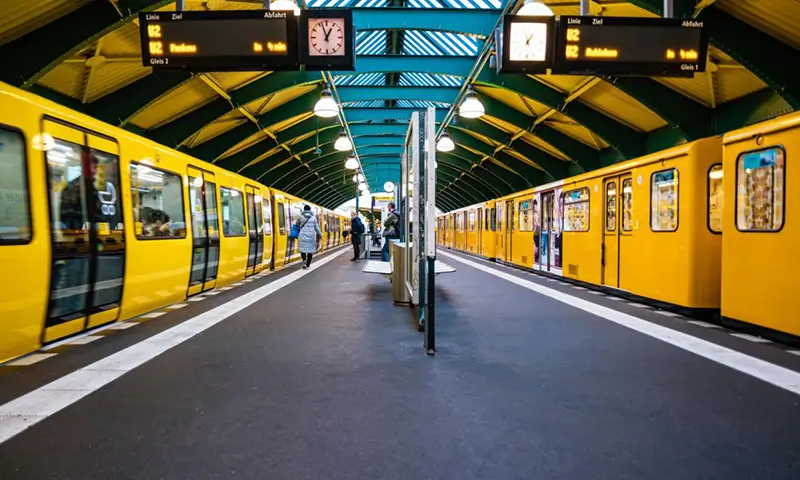
Public Transportation Is Your Best Friend
One of the first things you will notice in Germany is its well-connected public transportation system.
Most German cities have extensive public transport networks, making it relatively easy to travel without owning a car.
The main modes of transportation include:
- U-Bahn: Underground trains, commonly found in larger cities.
- S-Bahn: Suburban and regional trains connecting different parts of a city and surrounding areas.
- Straßenbahn: Trams operating on streets and dedicated tracks.
- Bus: Connecting residential areas, business districts and other locations.
- Regional Trains: Useful for travelling between nearby cities and towns.
For longer journeys, Germany also has an extensive railway network operated by Deutsche Bahn.
One important difference you should know is that many German train stations do not have ticket barriers. However, this does not mean travelling without a ticket is allowed. Ticket inspections happen regularly, and travelling without a valid ticket can result in a fine.
Things to remember:
- Always purchase a valid ticket before travelling.
- Check whether your ticket needs validation before boarding.
- Keep your ticket accessible during your journey.
- Explore monthly transport passes if you commute regularly.
- Use apps such as DB Navigator to check train schedules and plan journeys.
Tip for optometrists: Before your first working day, familiarise yourself with the route between your accommodation and workplace. Plan your journey in advance and allow extra time for unexpected delays.

Always Carry Some Cash
India has rapidly adopted digital payment methods, and UPI has made everyday transactions incredibly convenient.
Germany, however, still has a strong cash culture.
Although card payments are increasingly common, some smaller restaurants, bakeries, independent shops and local businesses may prefer cash or may not accept every type of card.
You might be surprised to find that even some businesses in major cities prefer cash payments.
What should you do?
- Carry some euros for everyday purchases.
- Check whether your debit or credit card works internationally.
- Keep some emergency cash with you.
- Check ATM withdrawal charges before withdrawing money.
- Do not assume that every shop accepts contactless payments.
ATMs are widely available, but using machines operated by established banks can help you avoid some of the higher fees associated with independent ATM operators.
Having cash available will make your first few weeks much easier while you become familiar with the local payment system.
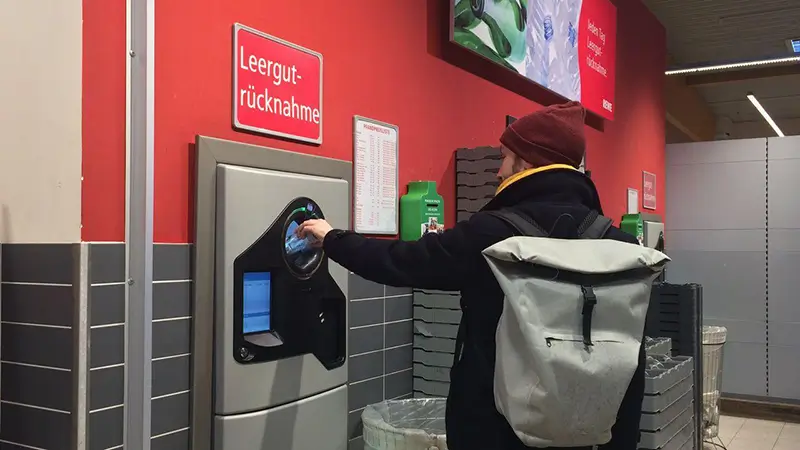
Understand the Pfand System: Don’t Throw Away Your Empty Bottles!
One interesting thing about Germany is its bottle and can recycling system, known as Pfand.
When purchasing certain bottled drinks and cans, you pay a small additional amount as a deposit. You can get this money back when you return the empty container to a participating retailer.
Depending on the container, the deposit is generally between €0.08 and €0.25.
Most supermarkets have special recycling machines called Pfandautomaten.
Here is how the system works:
- Collect your eligible empty bottles and cans.
- Take them to a supermarket with a Pfand machine.
- Insert the containers into the machine.
- Collect the receipt generated by the machine.
- Redeem the receipt at the checkout.
This system encourages people to recycle and reduces the number of bottles and cans that end up as waste.
You may find it unusual initially, but it will quickly become part of your everyday routine.
Remember: Not every bottle or container is eligible for a deposit. Look for the Pfand symbol when purchasing beverages.
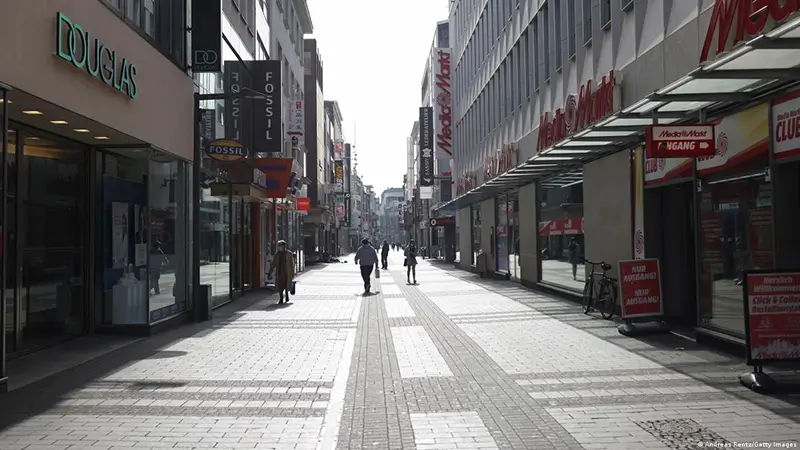
Sundays Are for Rest: Plan Your Shopping in Advance
This is something many people moving to Germany find surprising.
Most supermarkets, shopping malls, clothing stores and retail businesses remain closed on Sundays.
Unlike in India, where shops and supermarkets are generally available throughout the week, Germany has strict Sunday trading regulations.
Sunday is traditionally considered a day for rest, spending time with family and enjoying personal activities.
What remains open on Sundays?
- Restaurants and cafés.
- Some bakeries, depending on local regulations.
- Petrol station shops.
- Shops at major railway stations and airports.
- Emergency pharmacies.
If you need groceries, household essentials or other items, Saturday is usually the best day to shop.
Tip: Plan your weekly grocery shopping in advance. Make sure you have everything you need before Sunday arrives.
You will soon get used to this routine and may even start appreciating having a quieter day to relax and explore your surroundings.

Punctuality Is Extremely Important
If there is one cultural habit you should take seriously in Germany, it is punctuality.
Germans generally place considerable importance on being on time, whether it is a professional meeting, a training session, a medical appointment or a personal commitment.
Arriving late without informing anyone can be considered unprofessional.
This is particularly important for optometrists working in Germany.
In an optical practice, appointments are generally scheduled to ensure that every patient receives sufficient attention. Arriving late can affect the entire appointment schedule and inconvenience other patients.
Make punctuality a habit:
- Arrive at your workplace a little before your scheduled starting time.
- Be on time for language classes and training sessions.
- Inform your supervisor if you are running late.
- Plan your commute while considering possible public transport delays.
- Respect patient appointment timings.
Remember, punctuality is not simply about following a schedule. It demonstrates professionalism, reliability and respect for other people’s time.
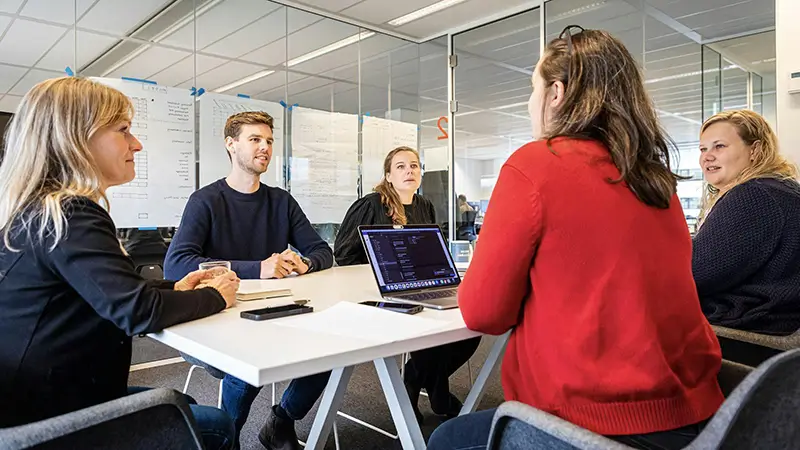
Germans Appreciate Direct and Honest Communication
Communication in Germany can sometimes feel different from what you are accustomed to in India.
German people generally appreciate direct, clear and honest communication. They often prefer getting straight to the point rather than engaging in lengthy conversations or indirect explanations.
For example, in some situations, people may openly express disagreement or provide straightforward feedback. This does not necessarily mean they are being rude.
You may also notice that:
- Small talk with strangers is not always common.
- Personal space is important.
- Professional and personal relationships may be kept separate.
- People appreciate clear answers and honest feedback.
- Being overly familiar with someone you have just met may not always be appropriate.
Why does this matter for optometrists?
Communication plays an important role in healthcare.
When interacting with patients, you should be able to explain procedures clearly, ask relevant questions, listen carefully and make sure patients understand the information you provide.
Your German language skills will help you communicate, but understanding the local communication style will help you build stronger professional relationships.
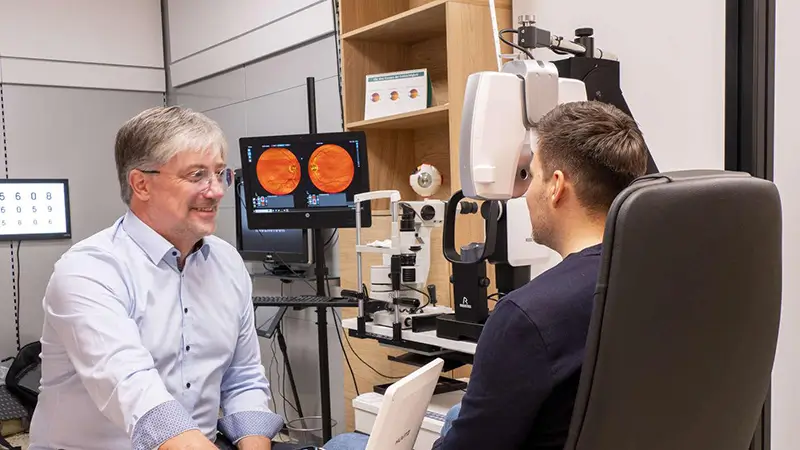
Understand German Workplace Culture
Moving to Germany means adapting not only to a new country but also to a different working environment.
German workplaces generally place considerable importance on organisation, accountability, professionalism and following established procedures.
As an optometrist, you should be prepared for a working environment where the following qualities matter.
Responsibility
Take ownership of your assigned duties. Complete tasks properly and communicate if you encounter difficulties.
Time Management
Respect appointment schedules and manage your responsibilities efficiently.
Teamwork
Collaborate with colleagues, support your team and maintain professional relationships.
Documentation
Follow workplace procedures and maintain accurate patient-related records according to the practice’s requirements.
Communication
If you do not understand something, ask questions. It is always better to clarify than to make assumptions.
Continuous Learning
Be open to learning new equipment, technologies, procedures and professional practices.
You should also understand that professional independence comes with responsibility. Your colleagues and supervisors may expect you to take initiative while following established clinical standards and workplace protocols.
Remember, you are not just moving to Germany to work. You are building a professional career in a new environment.
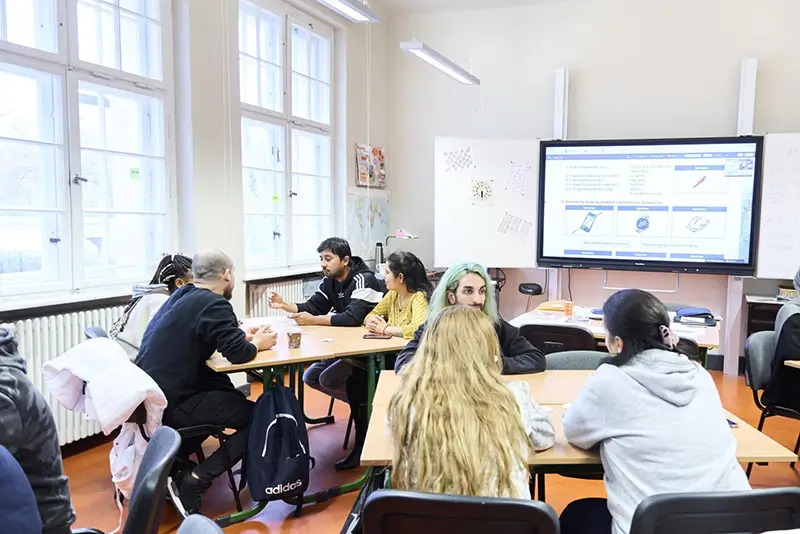
German Language Is More Than Just a Qualification
For Indian optometrists, one of the biggest adjustments will be communicating with German-speaking patients.
In India, you may be accustomed to communicating with patients in English, Hindi or regional languages.
In Germany, most patient interactions will take place in German.
You will need to understand patient concerns, ask questions about their vision, explain examination procedures and communicate relevant findings.
Here are some useful German expressions that optometrists should become familiar with:
| German Expression | English Meaning |
| Guten Morgen! | Good morning! |
| Wie kann ich Ihnen helfen? | How can I help you? |
| Haben Sie Probleme mit Ihren Augen? | Are you experiencing any eye problems? |
| Können Sie das bitte wiederholen? | Could you please repeat that? |
| Können Sie die Buchstaben lesen? | Can you read the letters? |
| Schauen Sie bitte geradeaus. | Please look straight ahead. |
| Haben Sie Ihre Brille dabei? | Do you have your glasses with you? |
| Vielen Dank! | Thank you very much! |
Learning German is not just about passing an examination or obtaining a language certificate. It is about becoming confident enough to communicate with patients in real-life situations.
SuperVista tip: Practise everyday German conversations regularly. Pay particular attention to optometry-related vocabulary, patient instructions and common expressions used during eye examinations.
The more you practise, the more confident you will become.
Respect Personal Space and Cultural Differences
Germany has its own social customs and expectations, and understanding them will help you settle in more comfortably.
One important aspect of German culture is respect for personal space and privacy.
For example:
- Avoid standing too close when speaking to someone.
- Respect people’s privacy and personal boundaries.
- Ask permission before taking photographs of someone.
- Avoid unnecessary noise in residential areas.
- Follow local rules in public spaces.
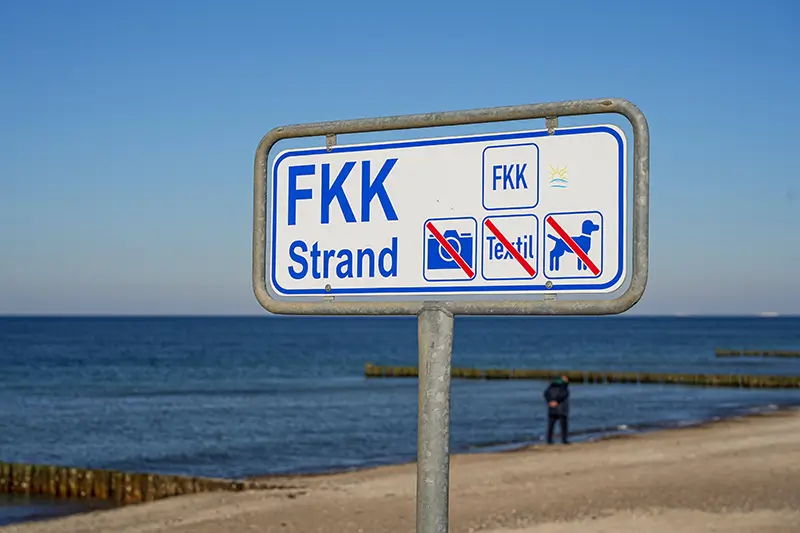
You may also come across designated areas where public nudity is accepted, particularly at certain beaches, lakes and recreational spaces.
This practice is associated with Freikörperkultur (FKK), which translates to Free Body Culture.
It is a cultural tradition that promotes body acceptance and a natural relationship with the human body. These areas are generally identified through appropriate signage.
You do not need to participate, but it is useful to understand that this is a recognised cultural practice in Germany.
The key is simple: Respect cultural differences, understand local customs and avoid making assumptions.
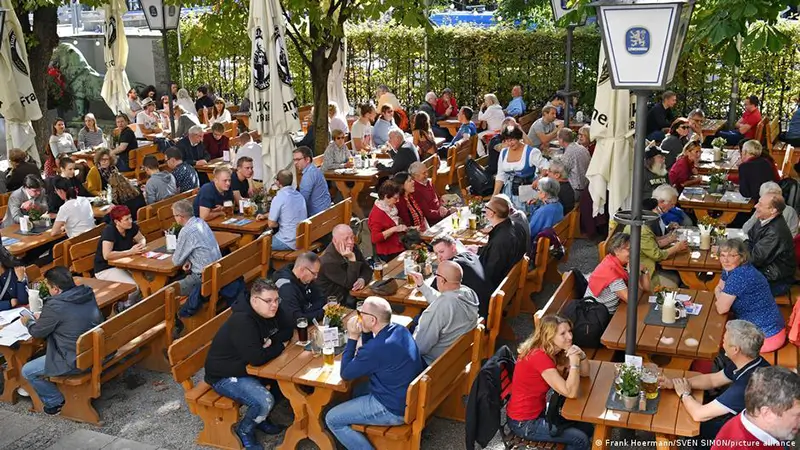
Public Drinking and Socialising Are Common
Germany has a well-known beer culture, and it is common to see people enjoying drinks in outdoor spaces, parks and designated public areas.
During warmer months, you may notice groups of friends enjoying an evening together with a drink in hand.
You may also hear the German word “Prost!”, which means “Cheers!”
There is a traditional custom of making direct eye contact when clinking glasses.
However, drinking alcohol is a personal choice, not a social expectation. You can enjoy German social life without drinking alcohol. Restaurants, cafés and social gatherings generally offer non-alcoholic alternatives.
A few things to remember:
- Drink responsibly if you choose to consume alcohol.
- Respect local rules regarding alcohol consumption.
- Be mindful of your behaviour in public spaces.
- Respect people who choose not to drink.
As a healthcare professional, maintaining a responsible lifestyle and professional image is important, particularly when representing your workplace.

Prepare Yourself for Germany’s Weather
The weather in Germany may be a significant adjustment, particularly if you have never experienced a European winter.
Germany experiences four distinct seasons, each with its own characteristics.
Spring (March–May)
Temperatures gradually become warmer, flowers begin to bloom and outdoor activities become more popular.
Summer (June–August)
The weather is generally warmer, with longer daylight hours. It is a popular time for travelling, outdoor activities and exploring different cities.
Autumn (September–November)
Temperatures become cooler, leaves change colour and daylight hours gradually decrease.
Winter (December–February)
Winter can be quite cold, with shorter daylight hours and snowfall in some regions.
For someone moving from India, adjusting to winter may take some time.
What should you prepare?
- Invest in a good-quality winter jacket.
- Purchase thermal innerwear.
- Get comfortable and waterproof shoes.
- Carry gloves, scarves and warm socks.
- Learn how to dress in layers.
Another important adjustment is the shorter daylight hours during winter. You may leave for work when it is dark and return home after sunset.
Give yourself time to adjust to the climate and develop a routine that works for you.

Give Yourself Time to Settle In
Your first few weeks in Germany may feel overwhelming.
You will be learning a new language, understanding unfamiliar systems, adapting to different food habits and getting comfortable in a new working environment.
You may miss your family, friends, familiar food and the lifestyle you had in India.
That is completely normal.
Moving to another country involves an adjustment period, and there is no need to expect everything to become familiar immediately.
Here are some things that can make your transition easier:
- Stay connected with your family and friends in India.
- Explore your neighbourhood and identify nearby supermarkets, pharmacies and essential services.
- Learn how to use public transportation.
- Find Indian grocery stores and restaurants in your city.
- Build friendships with colleagues and other international residents.
- Join local communities and participate in social activities.
- Continue practising German outside the classroom.
- Learn basic everyday tasks such as managing appointments, paying bills and understanding local services.
Most importantly, stay open to new experiences.
The more you explore, interact with people and participate in everyday activities, the more comfortable you will become.

A New Country. A New Culture. A New Professional Journey.
Moving to Germany as an optometrist is an opportunity to experience a different way of life while developing your professional career internationally.
There will be things that feel familiar, things that surprise you and things that take time to understand.
You might initially find the language challenging, the weather unfamiliar or the workplace culture different from what you have experienced in India.
But every experience will help you become more independent, confident and adaptable.
At SuperVista Academy, we understand that preparing optometrists for Germany goes beyond language training. It is about preparing you for the professional and personal journey ahead.
Through German language training, cultural orientation and preparation for life in Germany, we aim to help aspiring optometrists approach this transition with greater confidence.
Because moving to Germany is not just about finding a job. It is about building a new future, exploring new possibilities and taking the next step in your professional journey.
Your journey to Germany starts with preparation. Are you ready for your next chapter?
SuperVista Academy – Preparing Indian Optometrists for Opportunities in Germany.